Roof Repairs · Kelowna & the Okanagan Repairs & Maintenance.
Most roofs don’t fail all at once. They fail at one detail — a cracked boot, a lifted lap, a tired sealant joint — and everything downstream of it gets wet. We find the detail that’s actually failing, fix it properly, and tell you honestly what the rest of the roof has left.
A leak is a symptom, not a location.
Water almost never enters where it appears. It gets in at one small detail, runs along whatever the structure gives it, and drips out somewhere else entirely — often at a light fixture, because that is the first hole it finds. Chasing the stain instead of the entry point is how a roof gets patched five times and still leaks.
At one failed detail
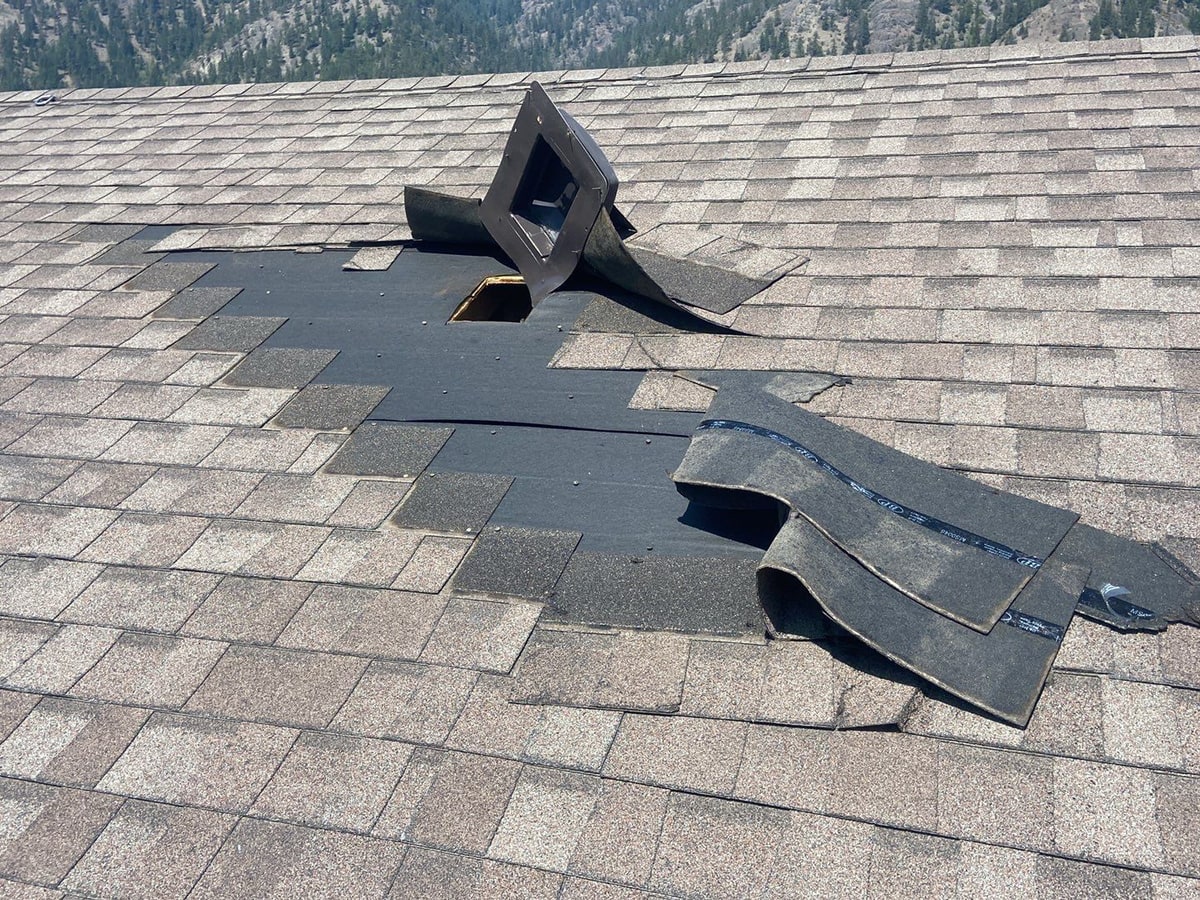
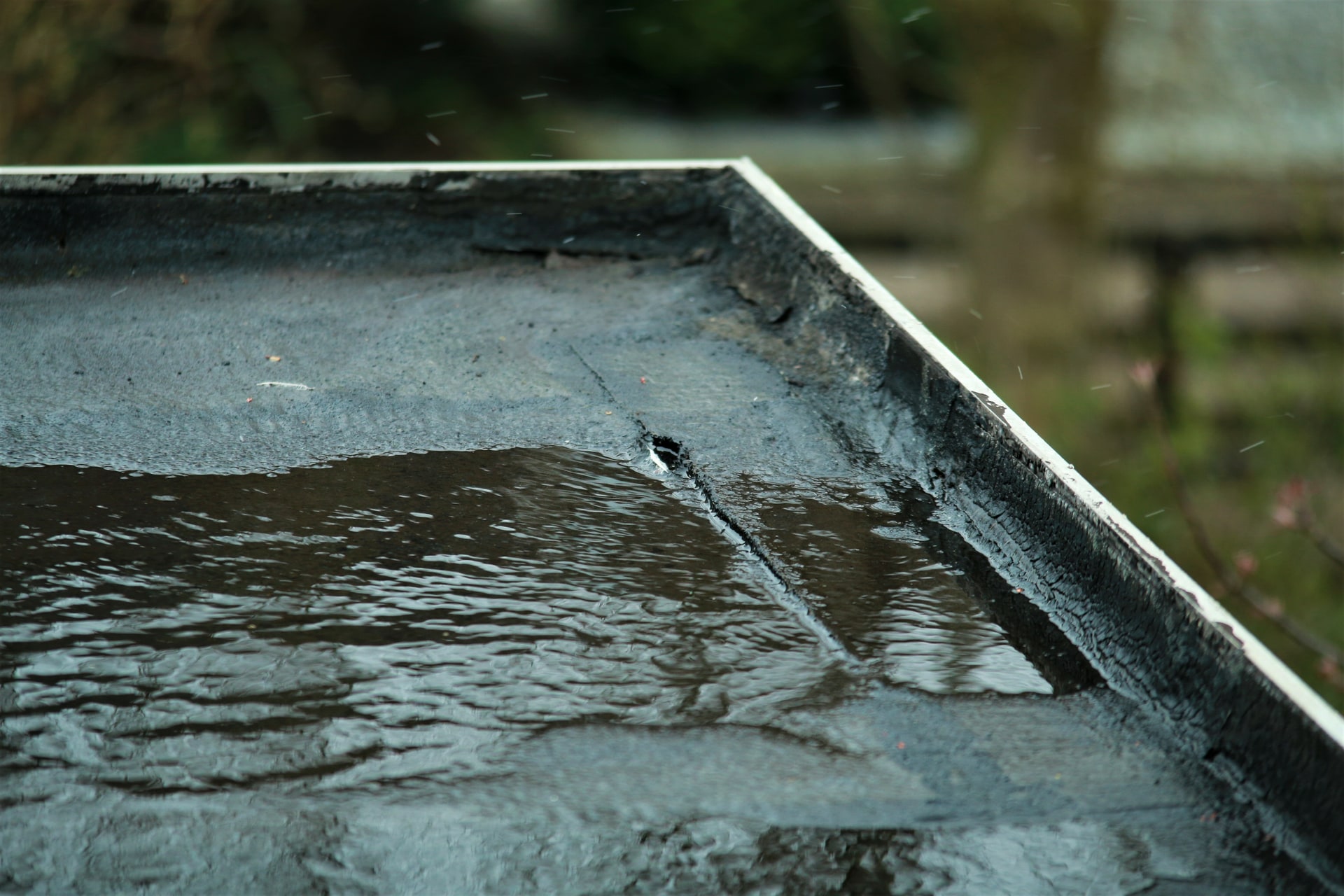
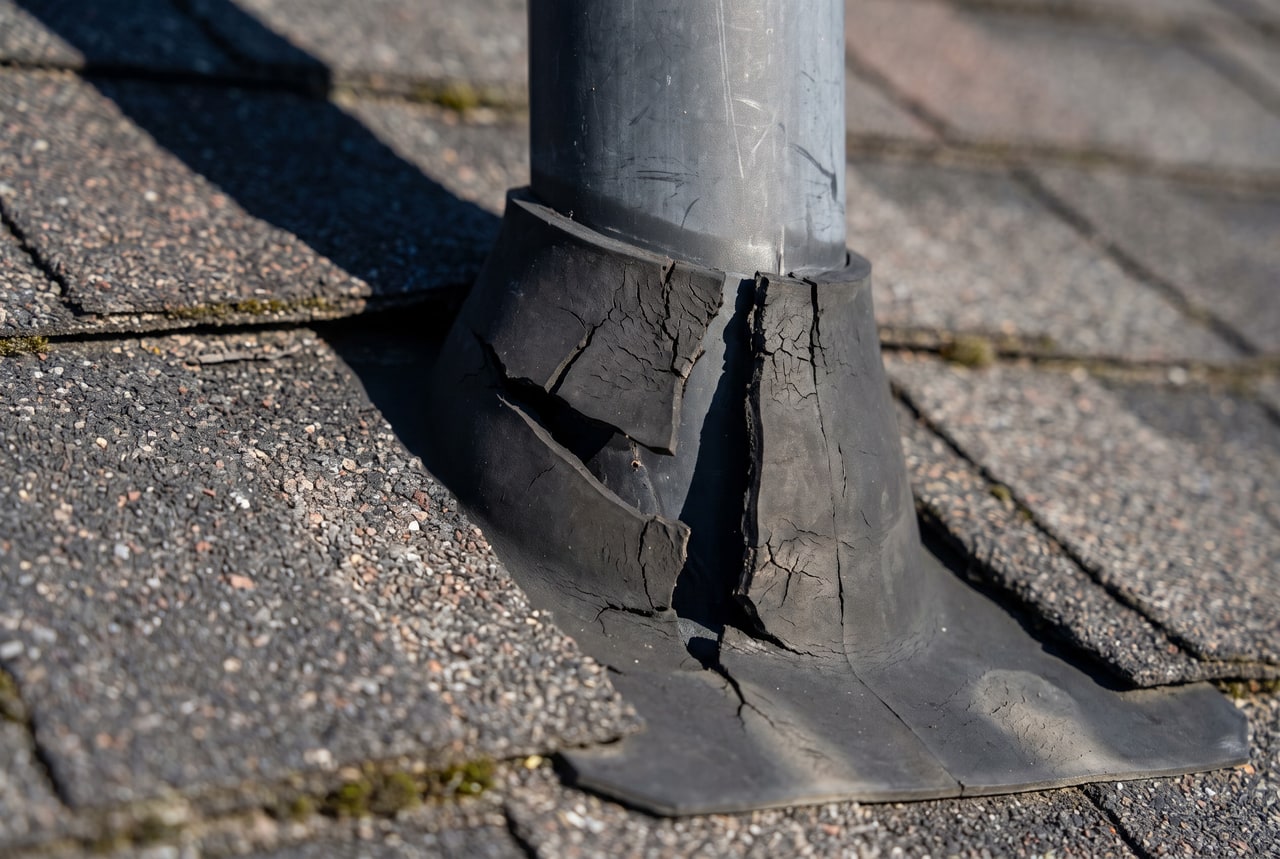
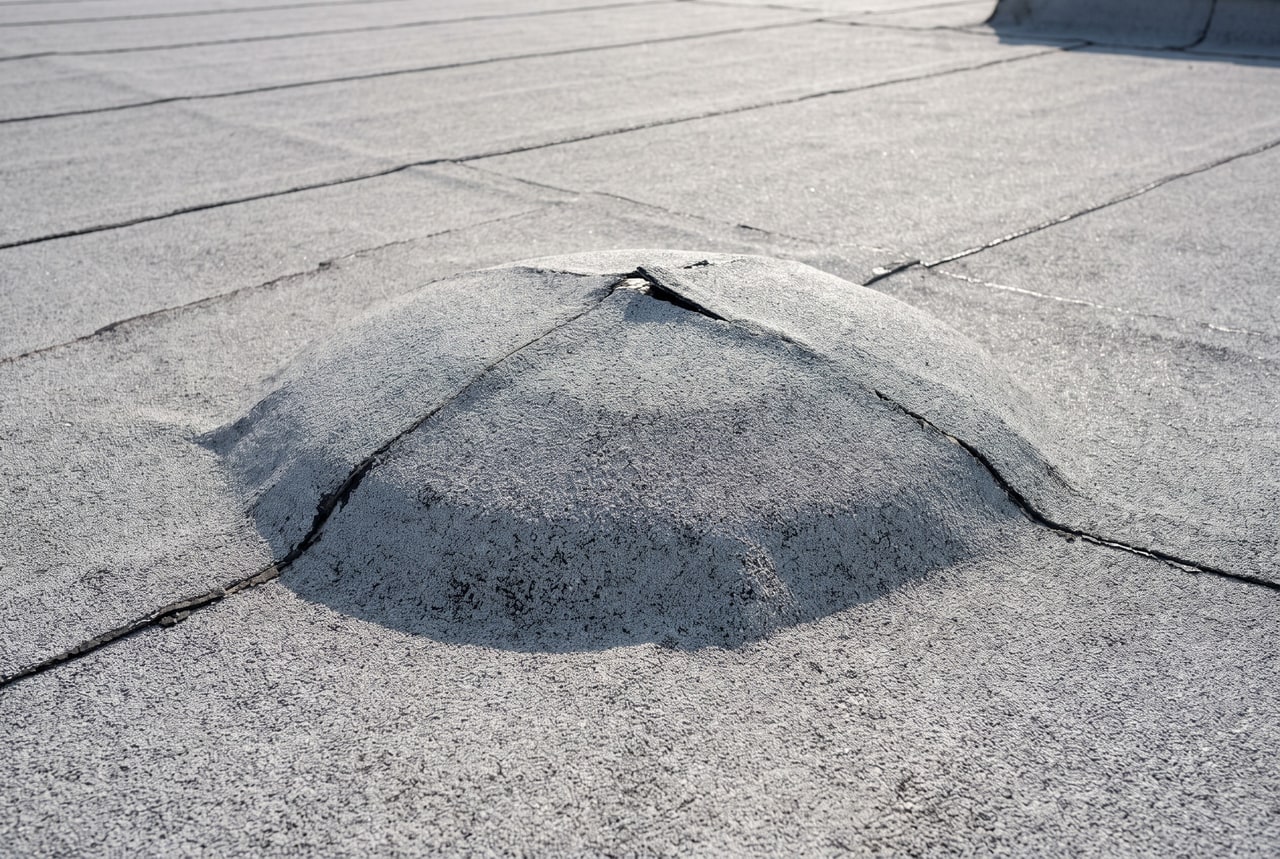
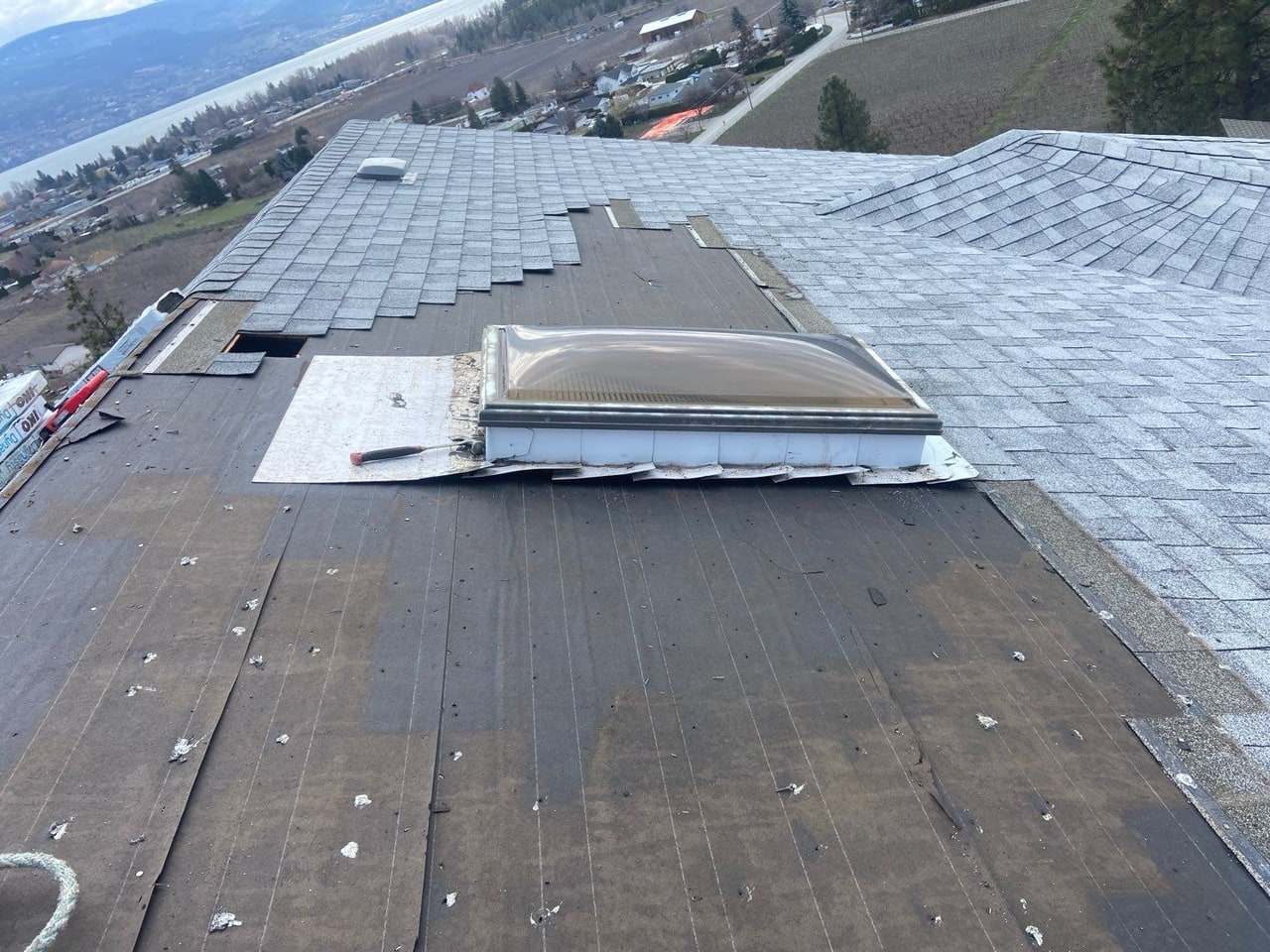
A perished boot on a plumbing stack, an open lap, a lifted piece of counterflashing. The opening is usually smaller than a coin, and it is almost never out in the middle of the open area of the roof (roofers call it the field).
Along whatever it finds
Down the underside of the deck, along a rafter, across the top of the ceiling. Water goes where the structure sends it, not straight down, and it can run a long way before anything gets wet enough to drip.
Somewhere else entirely
At a light fixture, a seam, a corner — the first hole it reaches. That spot is the one you phone about, and it is the one place on the roof we can be fairly sure the leak is not.
So the first job is working out where the water is actually getting in. Then you get told what it is, what it will take, and whether it is worth repairing at all. Sometimes the honest answer is that the roof is at the end of its life and a repair is money spent twice.
The things that actually fail.
Pick one and look at it. Almost everything we get called out for is on this list, and most of it is one detail rather than a whole roof. Not sure what you are looking at? Trace it in the Problem Web.
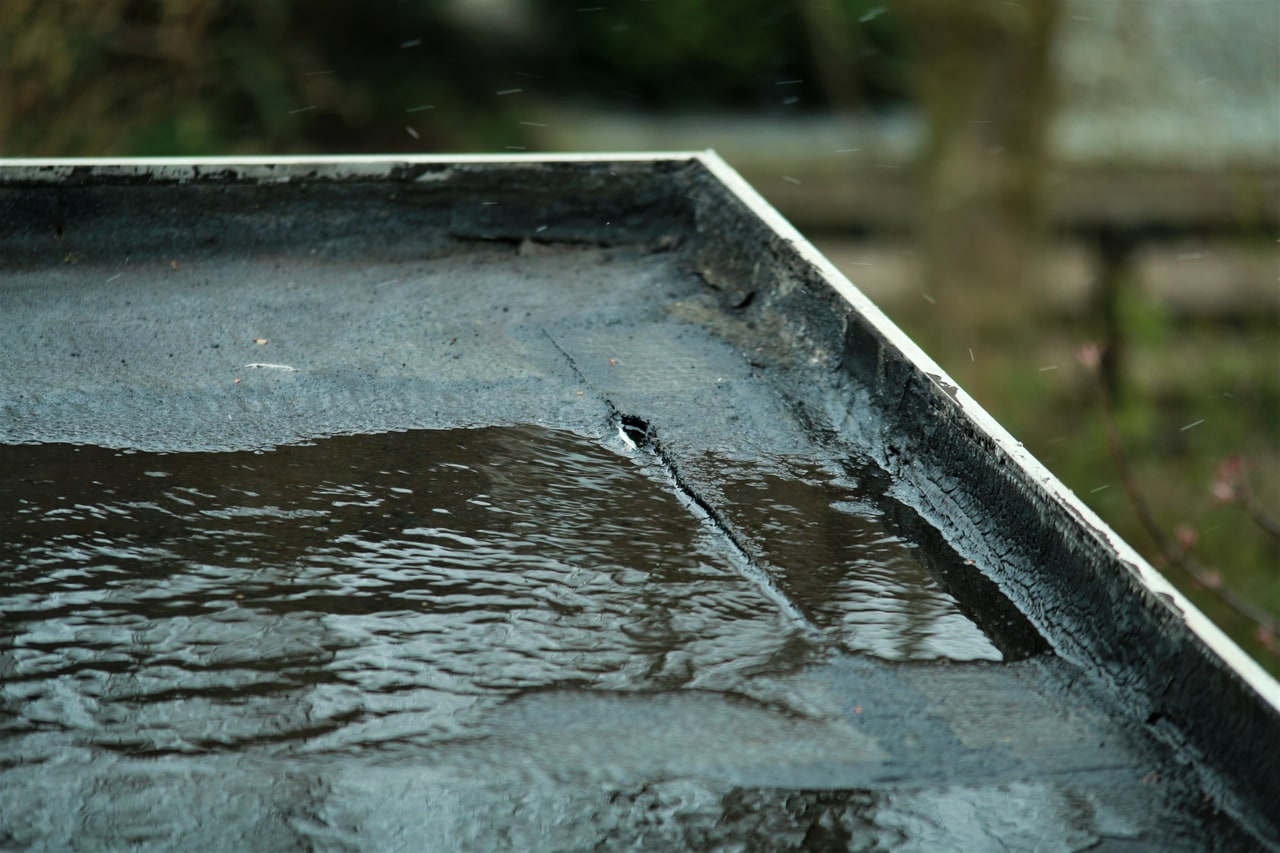
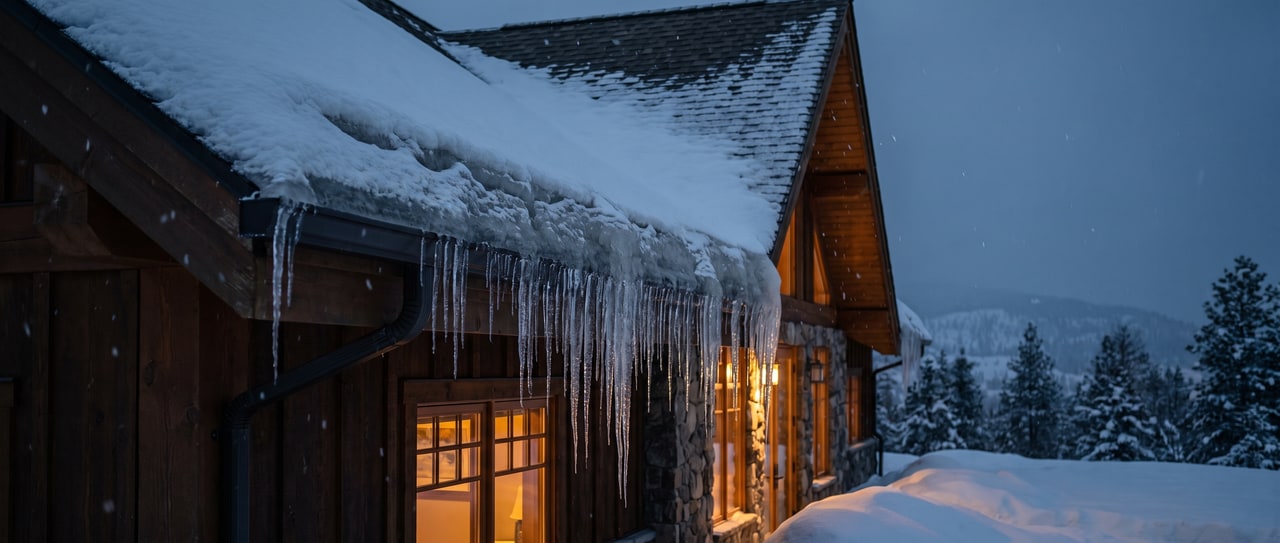
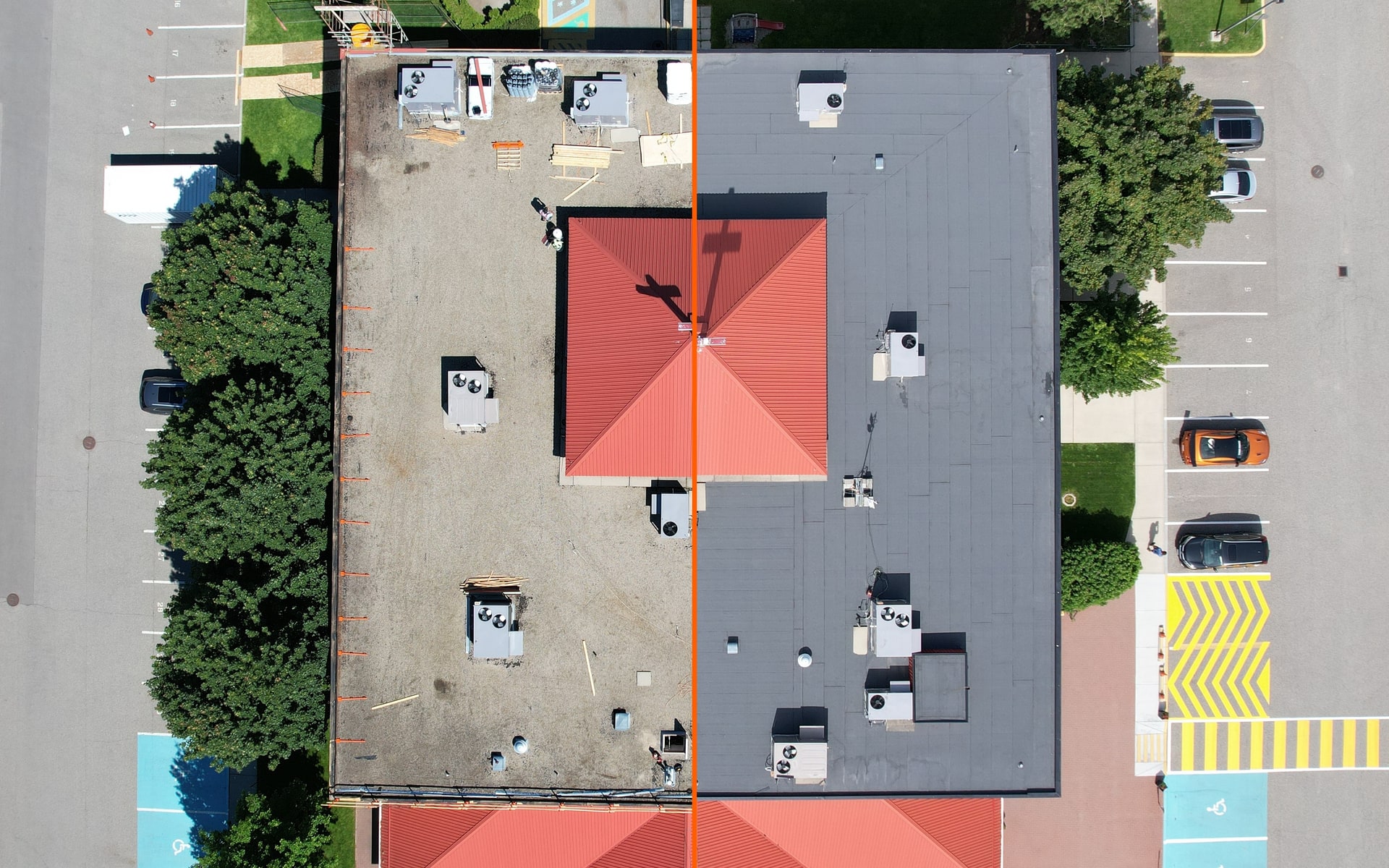
Drag it across. Same roof.
Three of the jobs that come up most. The frame does not move between the two halves — what changes is the roof.
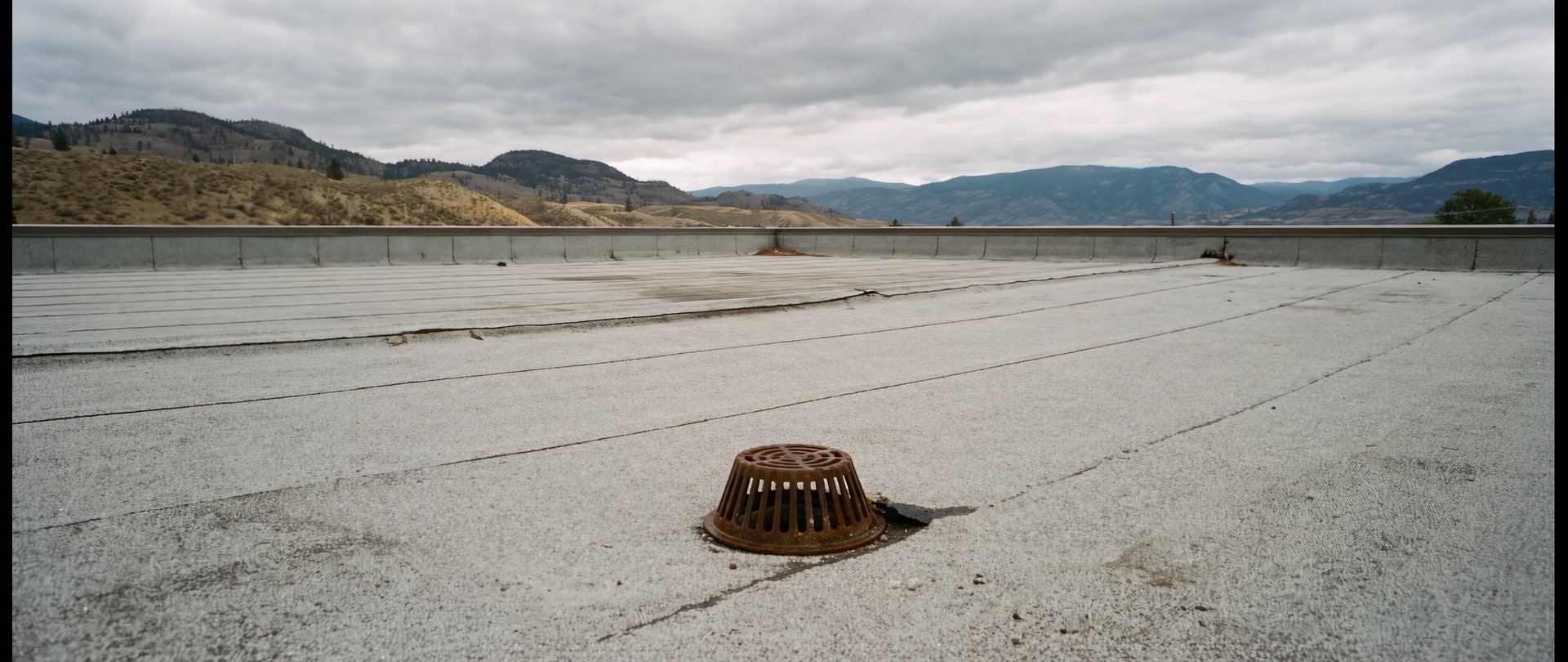
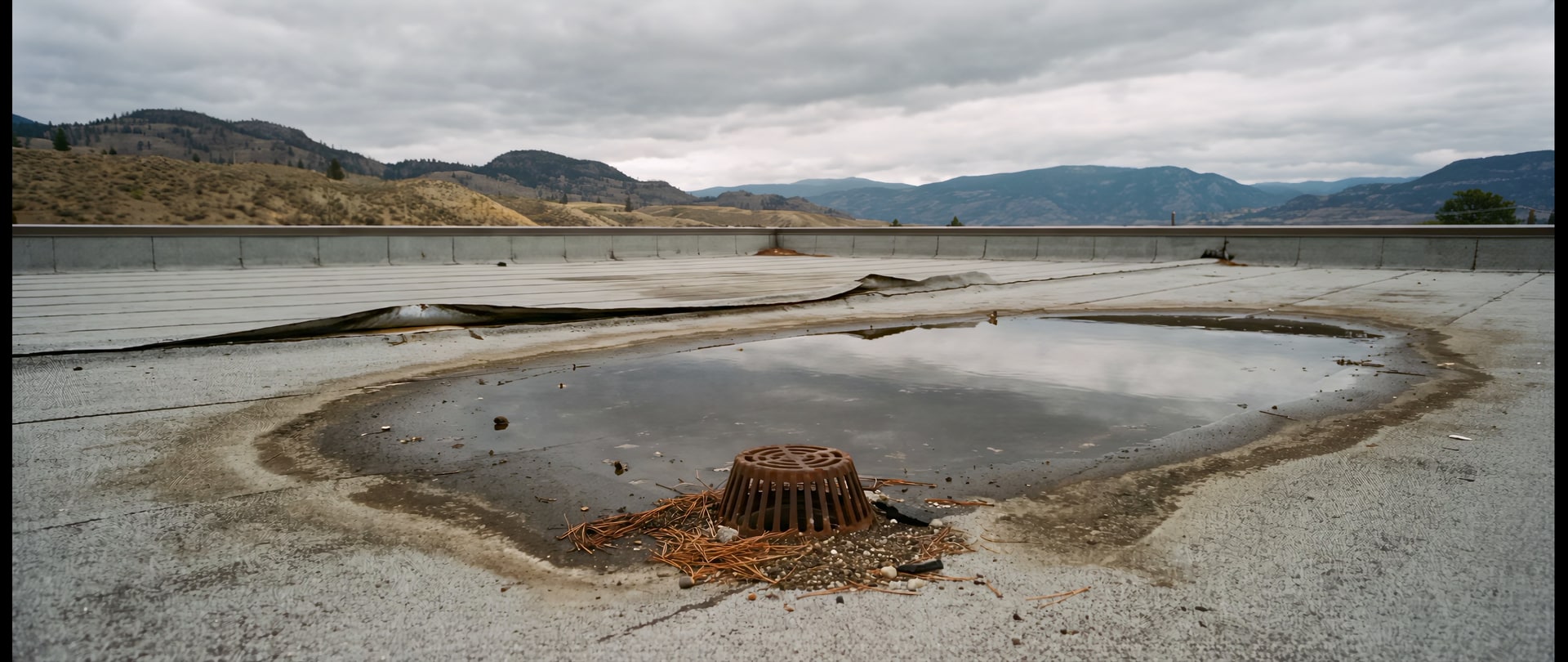
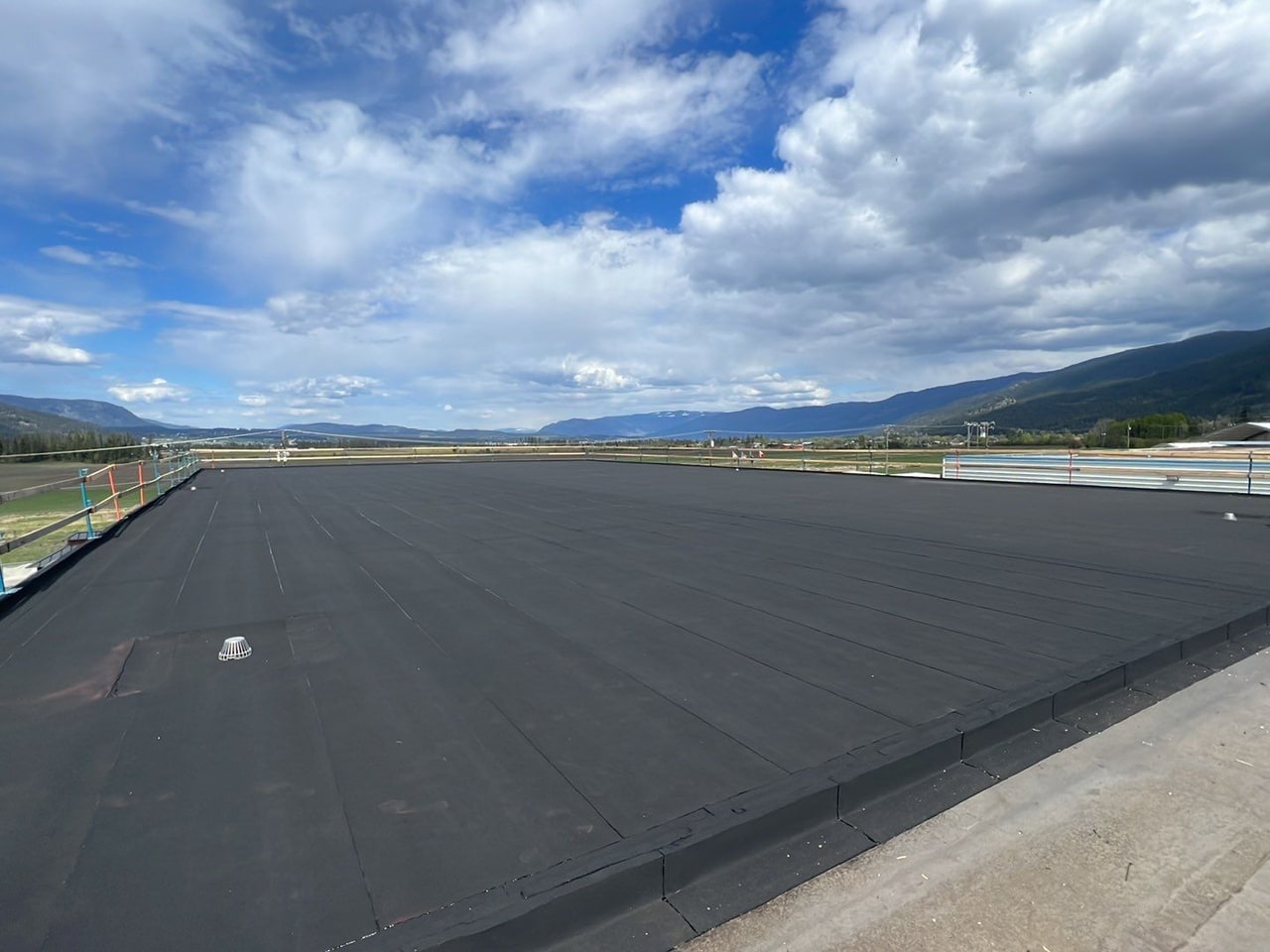
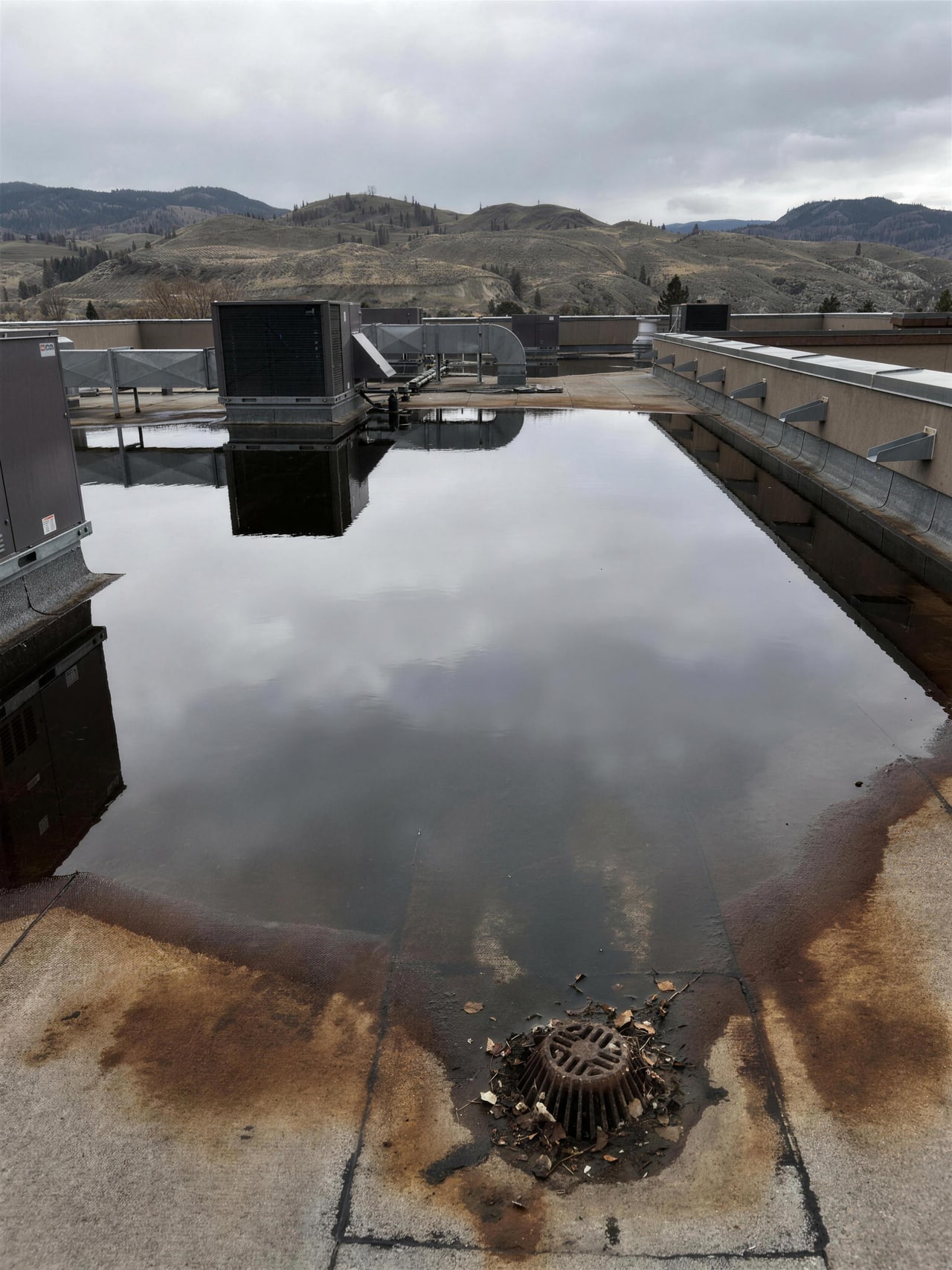
Needles and grit pack around a drain until it stops taking water, and then the roof holds a pond every time it rains. That water multiplies UV damage, adds weight and finds every weak seam. Clearing the drain is quick work; what it prevents is not.
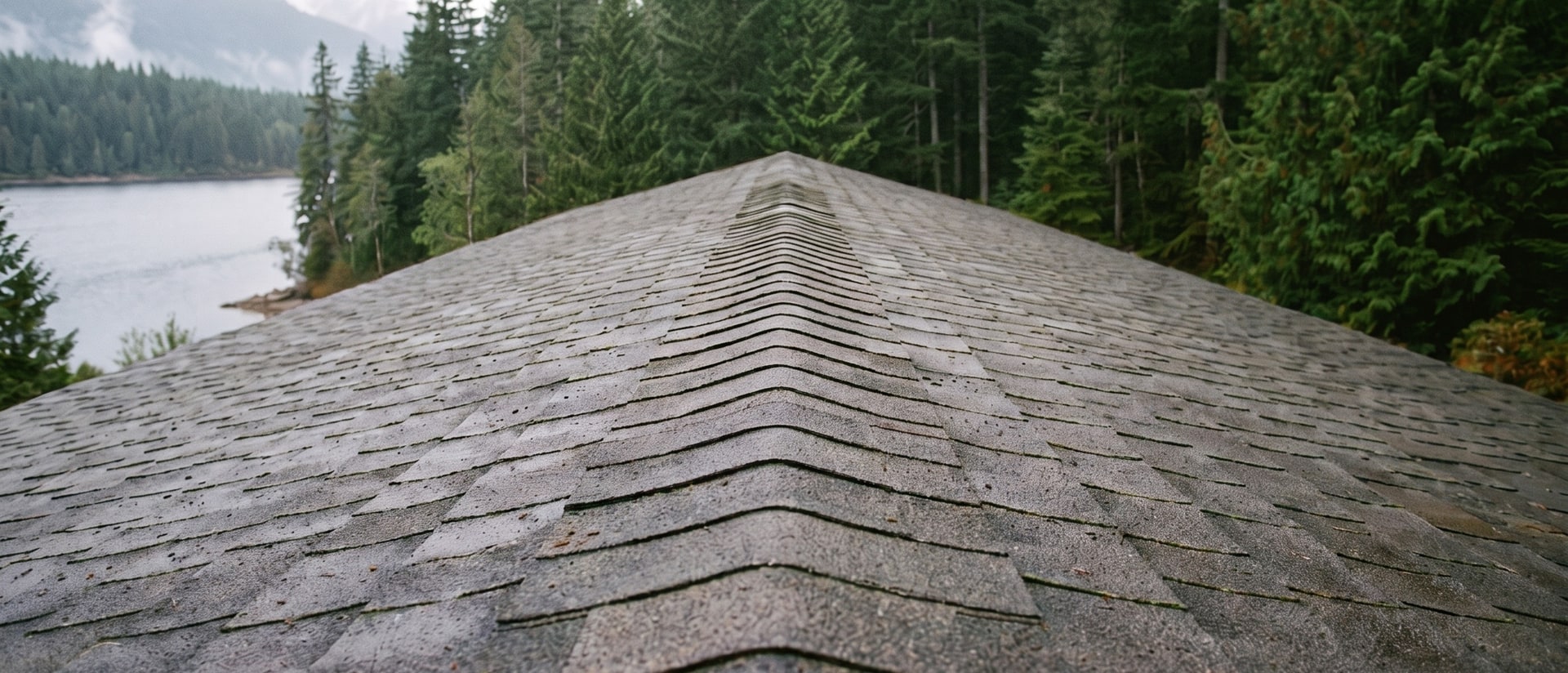
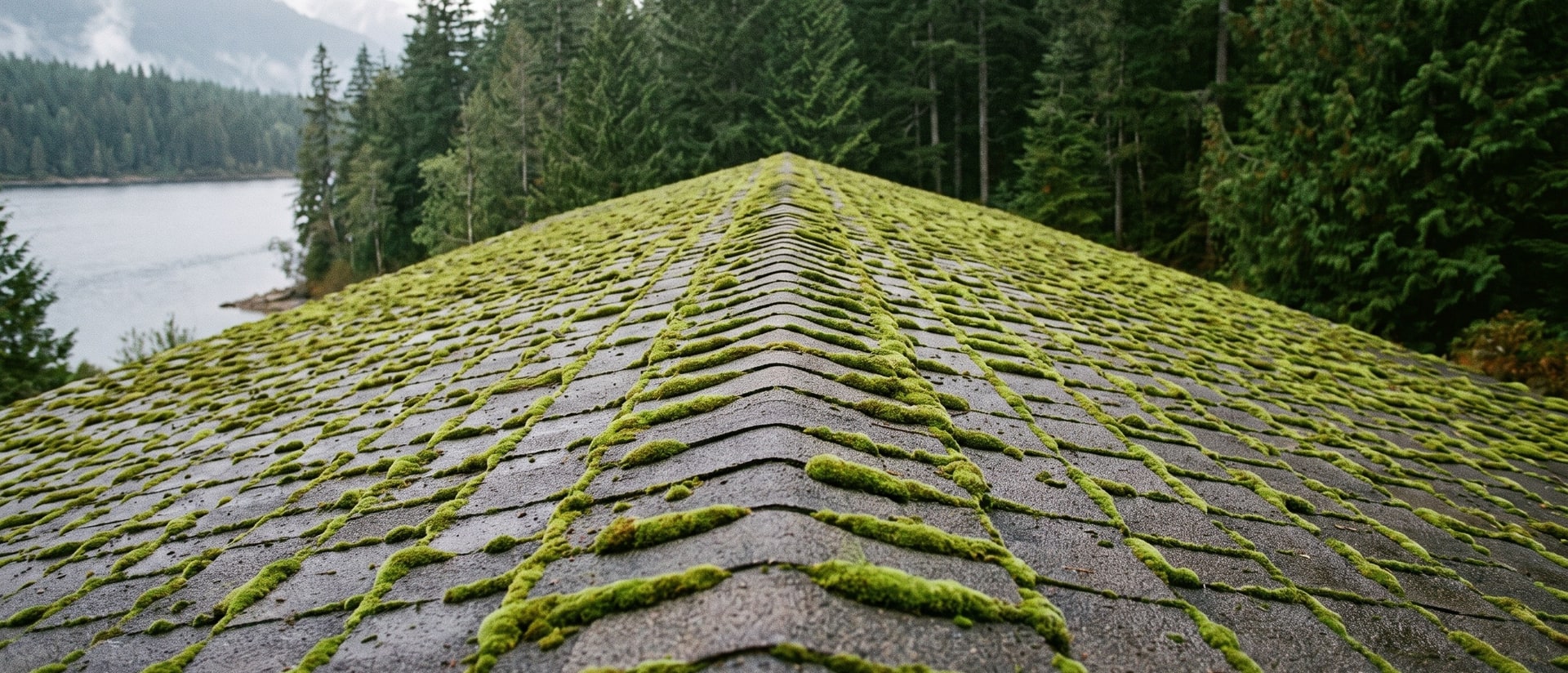
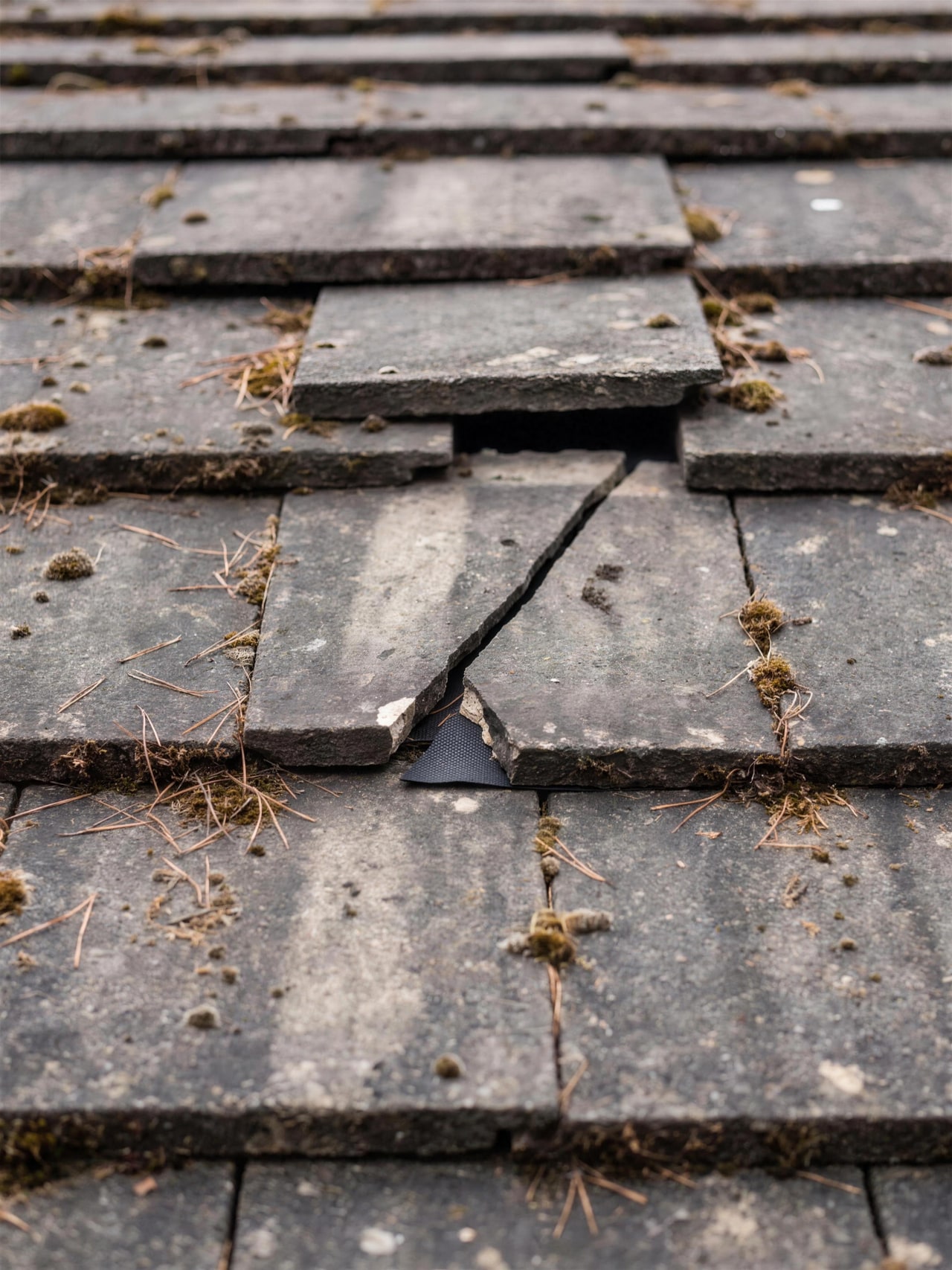
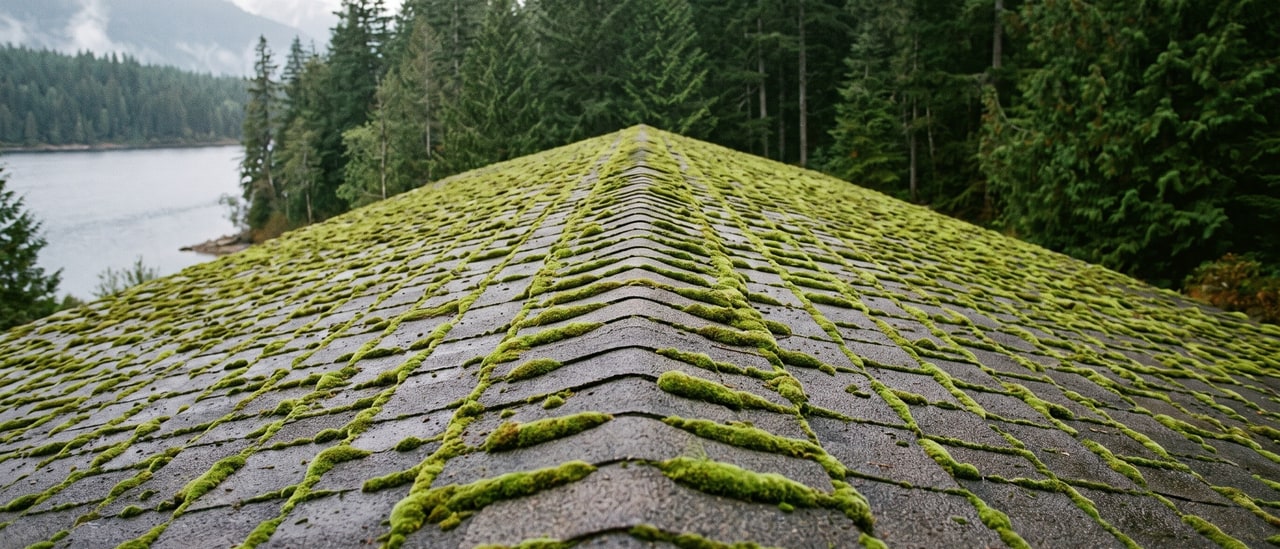
Moss lifts the shingle courses and holds water against them, so the roof stays wet long after the weather has cleared. We take it off by hand and with low pressure — no chemical wash — and where it keeps coming back, zinc strips near the ridge slow it down.
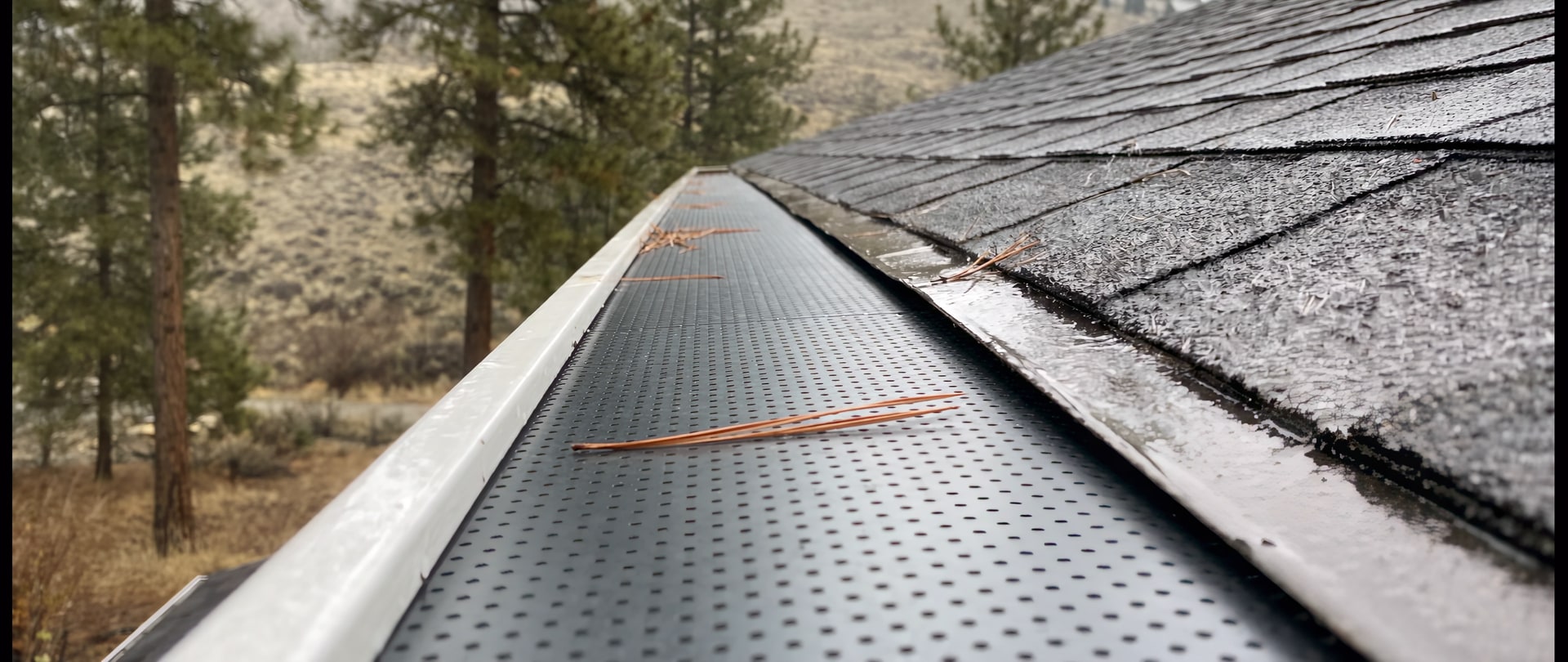
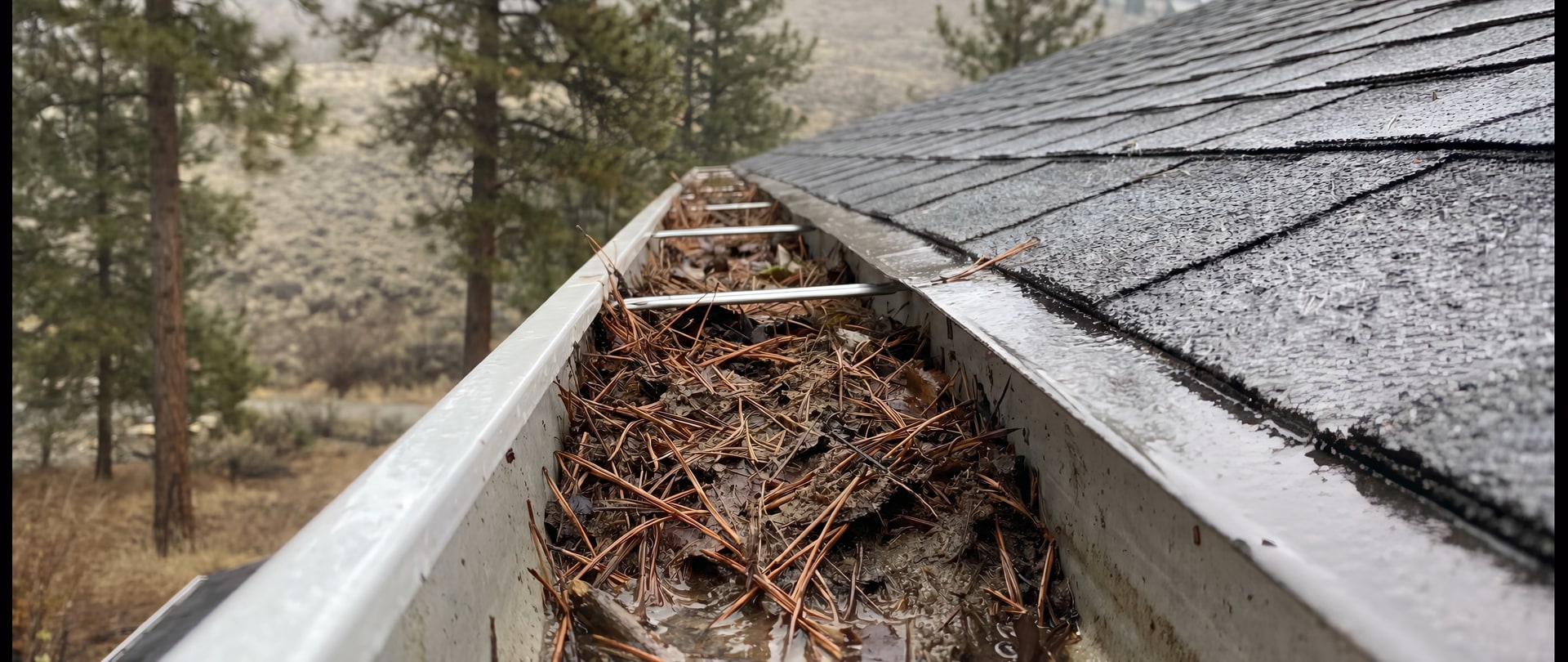
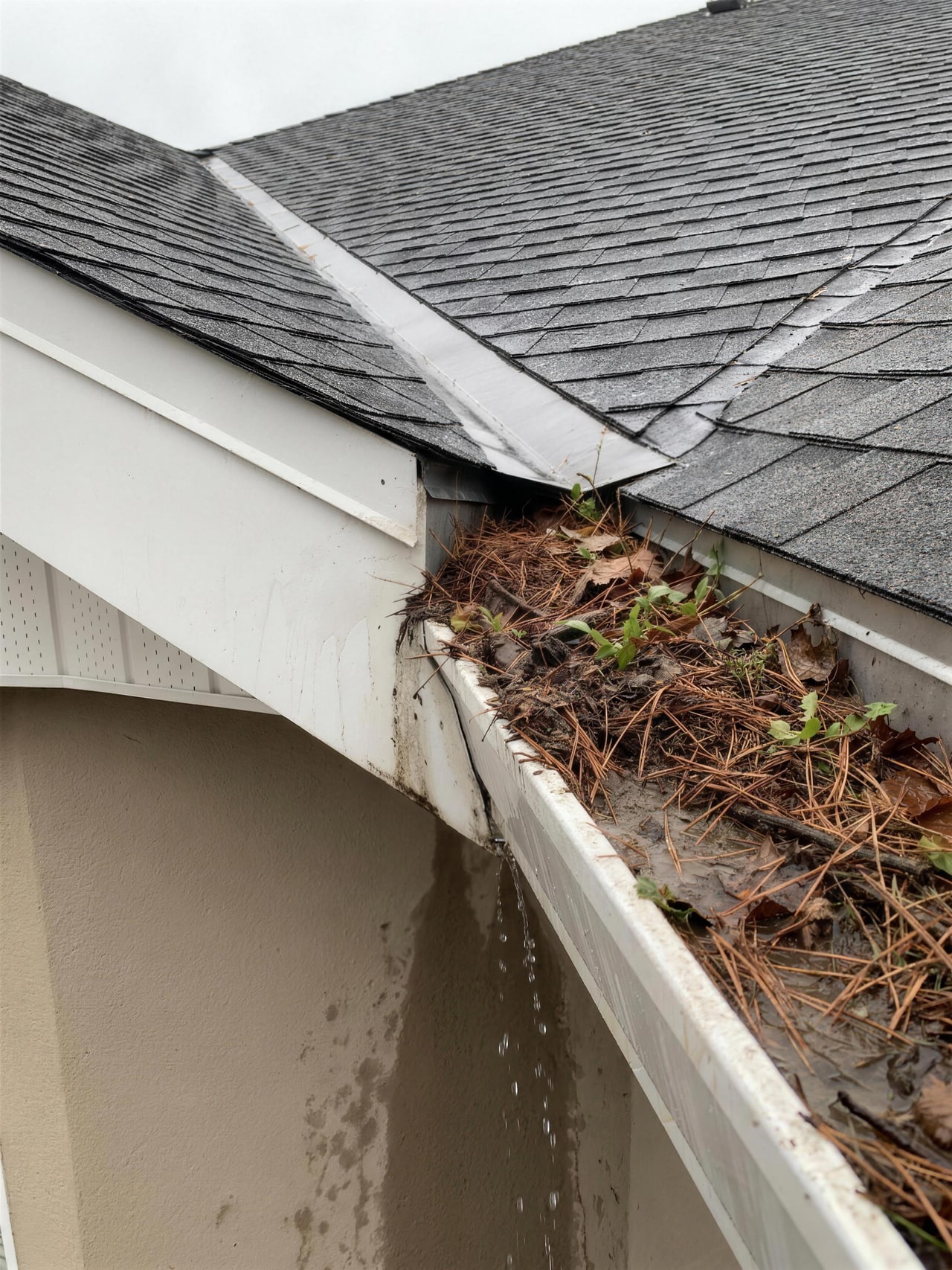
The pines fill it every autumn, and the water goes over the front and down the wall instead of away from the house. A guard does not stop needles landing on the roof — it stops them getting into the trough, so they dry on top and blow off instead of packing it solid. More on gutter guards.
Maintenance: finding problems while they are small.
Nearly everything that fails badly gives warning first — a lifting lap, a shrinking bead of sealant, a drain that is half full of needles. A scheduled visit is how those get found while they are still small.
Drains, scuppers and gutters cleared
The single most common reason a flat roof holds water and a gutter overflows down the wall. It is also the fastest thing on the list to put right.
Penetrations and terminations checked
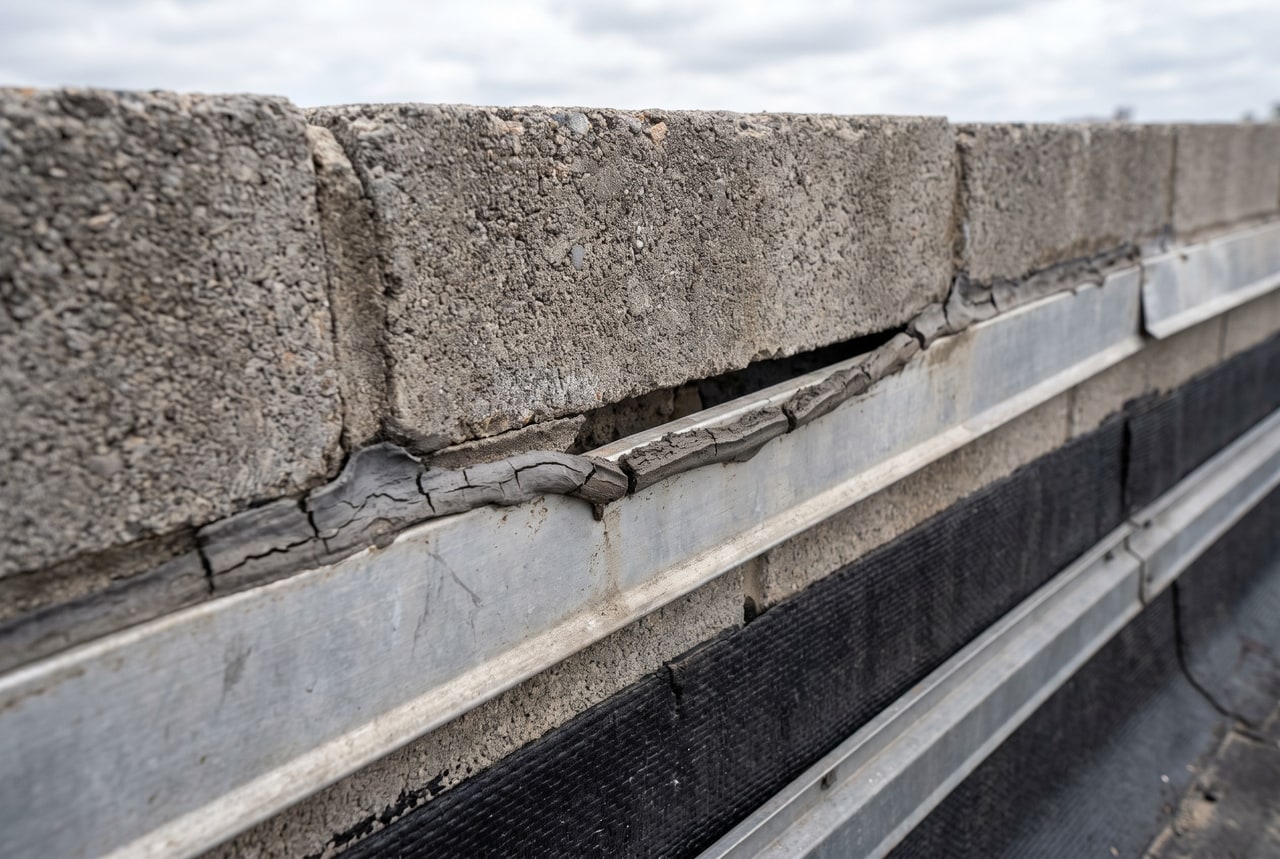
Boots, curbs, pitch pans, reglets and termination bars — the details that fail years before the field does, and where most leaks start.
Laps, flashings and edge metal looked over
Anywhere two materials meet or the roof stops. Open laps and lifted edge metal get dealt with before wind or water gets into them.
Debris and organic growth off
Needles, leaves and branches cleared, and moss caught while it is still a stain rather than a mat holding water against the shingle.
Small things fixed on the spot
Where it is minor and we have the material with us, it gets done on the visit rather than turned into a second trip and a second invoice.
A written record with photographs
What we saw, what we did, and what is worth watching. Over a few visits that becomes a history of the roof, which is exactly what you want when it is time to budget.
Once a year
Usually autumn, once the pines have dropped and before the weather turns. Gutters, penetrations, flashings and any moss taking hold on the shaded slopes.
Twice a year
Spring and autumn. Flat roofs depend on their drainage far more than a pitched roof does, and a blocked drain in November is a pond all winter.
And after a storm
A hard blow or a heavy snow load is worth a look even if nothing is showing inside. Wind damage is routinely worse from up there than it looks from the ground.
Maintenance covers the whole roof, and that includes the attic when the roof calls for it.
Set up a maintenance visitDiagnose first. Then fix.
We look properly
On the roof first, and in the attic only when there is a reason we have to. Wet insulation, stained sheathing and daylight through a deck tell you more about where water is entering than a stain on a ceiling does.
You get told what it is
What is failing, why, what it will take to fix, and whether a repair makes sense on a roof at this age. If it does not, we will say that.
It gets fixed
Repairs are made with material compatible with what is already up there — the wrong sealant or the wrong membrane on a patch fails faster than the thing it replaced.
You know what is next
We tell you what else we saw and roughly how long it has, so the next repair is planned instead of an emergency.
Leaking right now?
Call 250-258-8600. An active leak usually gets a temporary measure first to stop the water, then the permanent repair once it can be done properly. Outside office hours, leave a message and we’ll get back to you as soon as we can.
What a repair can promise
Tracing a leak is investigative work. Water enters at one point and appears at another, so finding the failure means following it — starting at the most likely cause and working outward. Sometimes it is the first detail we open up. Sometimes it is the third.
A repair fixes the failure we find. It does not make the rest of an older roof new: where there is a second entry point, a tired membrane or movement in the deck, water can find another way in later, and mending one detail was never going to prevent that. So we will not tell you a repair has resolved a roof’s underlying condition. What we do commit to is our best effort at the cause in front of us, a straight account of anything else we saw up there, and standing behind the work we actually did.
Repair questions.
Something up there isn’t right?
Tell us what you are seeing and we will come and find out what is causing it. Free estimates, and an honest answer about whether it is worth repairing.
Request a Free EstimateFree estimates • Kelowna & the Okanagan